

The Secrets of Cape Skamni

Strolling among the ruins of a mediaeval basilica and a necropolis at the end of Morski Skali street in the ancient quarter of Sozopol, you might well conclude that the cape holds no secrets.
You would be wrong.
As far back as antiquity, the volcanic rocks that jut out into the sea and make for a beautiful, yet often inhospitable place where the wind has no rival, have long been a gathering place for the inhabitants of Ancient Apollonia.
These excavations, which were launched back in 2011 and lasted for four years, give us ample proof of that
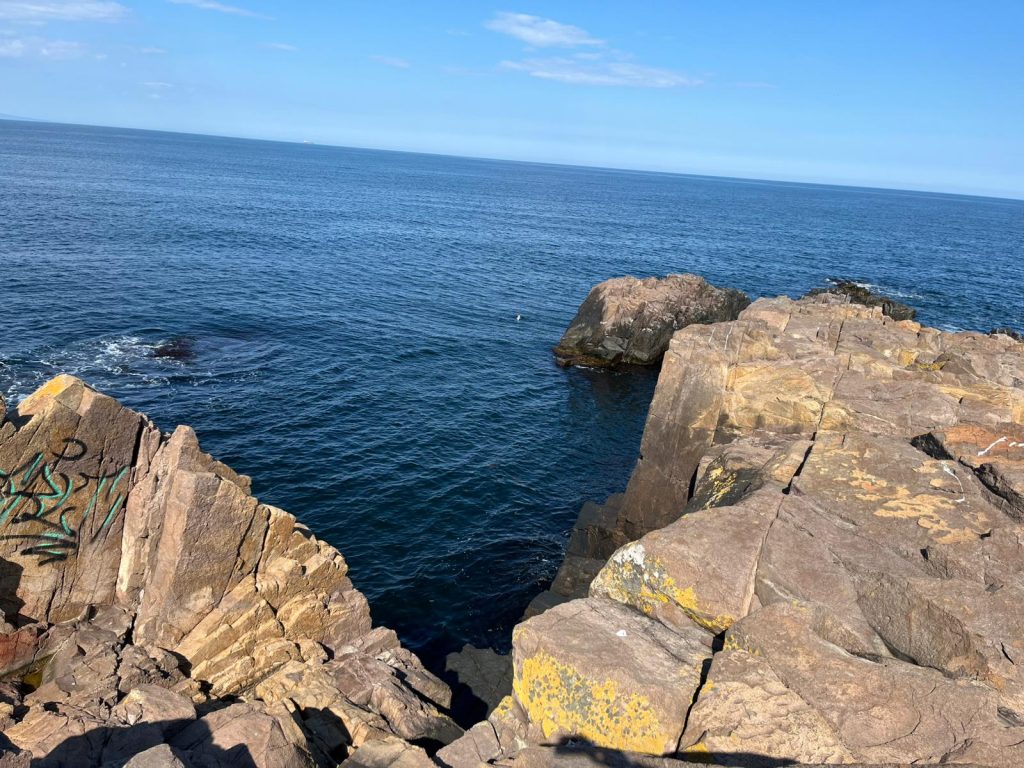
- The rocks of Cape Skamni meet the sea
The vast number of terracotta fragments and miniature vessels (mostly used for water) that archeologists stumbled upon all over the cape gave them reason to believe that this piece of land fully exposed to the natural elements, housed an ancient sanctuary to the Goddess Demeter (Thesmophoria) dating back to the 4th-3rd C BC.
Researchers also concluded that some parts of the cape, such as the natural rock coves around, housed a larger concentration of terracotta fragments of figures and vessels. “These were most probably coves where sacrificial gifts were deposited,” archeologists explain, adding that the greater portion of the uncovered fragments (211 out of a total of 286) depict female figures, most of them seated
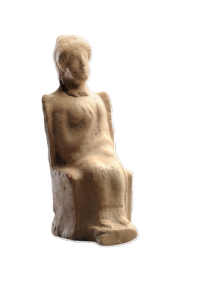
- Clay female figurine, 4th century BC
Two statuettes of two female figures sharing a veil had also been discovered and are thought to portray Demeter and her daughter Persephone (Kora), who is also believed to have been honoured here. The numerous water vessels found in this spot, as well as several terracotta lamps, attest to the cult of the goddess. Water is a symbol of both fertility and purification, whereas the lamps are related to the night rituals performed during the Demeter festivities (Thesmophoria Festival), which took place some time around the autumn harvest when women stayed in the sanctuary for three consecutive days. The festivities were accompanied by ritual feasts which explains the presence of the numerous vessels for serving drinks and food.
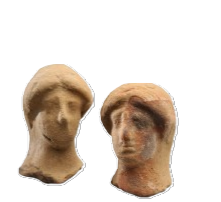
- Veiled female heads, 4th-5th century BC.
But isn’t it strange that on this rugged, unprotected cliff shore on the edge of Ancient Apollonia such rituals should be performed? On the contrary, it turns out this used to be the norm – with the isolation of the place predetermining its fate. The secrecy of the rituals, which could only be performed by women, necessitated a meeting point situated at some distance from the centre of town.
“The sanctuaries of Demeter were usually placed on the periphery. The Thesmophoria in Thassos is located right outside the fortification walls, while the Demeter Sanctuary in Miletus, the parent city of Apollonia, is located on the northernmost hill of the city, Humeitepe, which in antiquity, was indented into the sea,” explain archeologists.
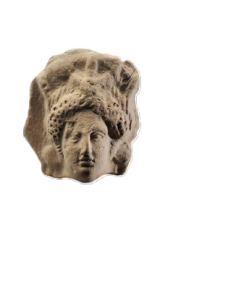
- Clay head of a woman, 3rd-4th century BC.
What is undoubtedly true is that with each secret that archaeologists unravel on Cape Scamni, a new mystery seems to emerge.
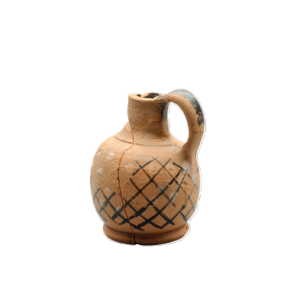
- Lekyth (oil vessel), 4th century BC.


